



























逆龄大脑(转载)
不是我翻译的
Time is the broker through which we trade our youth and vitality for experience and wisdom. Essentially the deal is energetics for information. But it turns out that the exchange rate—which is our biological aging rate—varies dramatically: some of us will reach one hundred filled with knowledge and capability, whereas others of us will get to forty, look like we’re seventy, and already struggle to remember our phone number
人生匆匆数十载,我们如同精明的商人,以时光为货币,用逝去的青春换取日益增长的经验与智慧。这本质上是一场用光阴交换大脑信息的交易。事实证明,这场交易的"汇率"取决于生命衰老的速度,往往因人而异,结局可能天差地别。有人年至百岁仍耳聪目明、智识丰盈,而有的人,在接近四十不惑的年纪,已枯槁如七十老者,需要拼尽全力才能记住自己的电话号码。
我的修改:人生匆匆数十载,我们如同精明的交易者,以时间为硬通货,用流逝的青春兑换累积的智慧。这本质上是一场生命能量与认知信息的置换。而这场交易的'汇率'——即我们的生物衰老速率——往往残酷地天差地别:有人百年之龄仍思维矍铄、智识丰沛,亦有人方届不惑,却已形销骨立如古稀衰翁,连记忆电话号码都需竭尽全力。
将"商人"改为"交易者",更贴近原文"trade"的金融隐喻(前文"broker/中间商"形成体系)
"硬通货"比"货币"更能体现时间作为通用交换媒介的特性
"生命能量与认知信息的置换"比"光阴交换大脑信息"更准确对应原文"energetics for information"的生化哲学意味
"思维矍铄/智识丰沛"与"形销骨立/古稀衰翁"通过四字词强化视觉与精神的反差
"方届不惑"比"接近四十不惑"更简洁,与后文"百年之龄"形成工整对仗
保留"汇率"与"置换"的经济学隐喻链条,同时用"残酷地"暗合原文"varies dramatically"的客观警示感
So the key question is: How do we obtain the best exchange rate? In other words, how do we keep our brains youthful, healthy, and functional for the entirety of our lives? Until recently, the answer has been a shoulder shrug—“No idea”—but our armamentarium against brain aging has grown dramatically in just the past few years, and that is what this book is all about.
归根结底,问题的关键在于:如何在这场时光交易中获得最佳转化率?换言之,如何让大脑终生保持活力,高效精密地运转?这曾被认为是无解之题。但在过去数年里,我们不懈探索,已积累起攻克此难题的知识武器库,这正是本书的精华所在。
我的修改:
究其根本,我们能否在这场生命交易中赢得最佳兑率?即如何令大脑历久弥新,运作不衰?昔年对此唯余喟叹,而今抗衰兵戈已盛——此卷所载,正是这破晓之光。
Starting right here and now, with just a few changes to the way you care for your brain, you can have sharper thoughts, crystal-clear memories, the ability to learn new information easily, and the capacity to take better control of your moods and emotions. What’s more, you can retain these powers for one hundred years of life or even longer.
本书倡导从当下开始行动:只需对护脑习惯稍作调整,即可获得敏锐的思维、清晰的记忆、高效的学习力,以及自如的情绪掌控能力。更令人振奋的是,这种状态甚至可延续至耄耋之年。
That might seem like an awfully big claim. And you know what? It is! What you will read in this book, after all, is not yet part of mainstream medicine.
这听起来或许像天方夜谭。但亲爱的读者,请相信这是经过科学验证的事实!本书将为您开启新世界的大门,其中诸多知识尚未被广泛传播。
I do want to be up-front about that. The information contained in these pages is not what you would hear from most doctors if you were to ask them how to prevent brain aging and disease. What they are likely to tell you is that brain aging is inevitable, and that neurological disease is nothing short of fate if you’ve inherited the wrong kinds of genes. Alas, that is what is widely accepted.I am among a small but quickly growing number of physicians, however, who no longer think about the human brain in this way, for we know that what is widely accepted is not always what is true.
坦率而言,多数医生不会告知您这些信息。若您咨询如何对抗大脑衰老与病变,他们通常会断言"神经退化不可逆转""痴呆由基因注定"。这正是主流认知的局限,包括我在内的医者正组成日益壮大的革新阵营,因为我们坚信真理未必掌握在多数人手中。
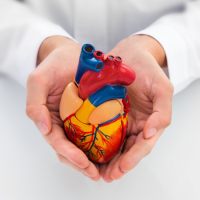
For example: It was once widely accepted that, as we age, our hearts simply weaken—exhausted from a lifetime of reliably contracting and expanding some 2.5 billion times across our lifetimes, until this organ can simply beat no more. Today, we know that we can do many things to strengthen our hearts and lengthen their usefulness. Some of these decisions—diet and exercise and the like—should start early and continue throughout our lives. Some measures—supplementation and medication and some medical procedures—can come along later and still be effective. And some interventions—bypass surgeries and transplants— are there for when things go very, very wrong. But I would argue there is virtually nobody who still believes nothing can be done to extend the usefulness of a human heart.
首先以心脏健康为例:曾几何时,人们认定,随着年龄的增长,这颗勤勉跳动的器官会在完成约25亿次收缩后衰竭。而今,通过早期饮食管理、终身锻炼,辅以医疗监测乃至手术干预,延长心脏寿命已成共识。
It was once widely accepted that, as we age, our cells become more prone to mutation, and these mutations become more prone to spread.Eventually, the logic went, our healthy cells would be outnumbered, and this would be the beginning of an inevitable and often very painful end. Today we know that there are many things we can do to prevent this problem, which is called cancer: to catch it early, to slow its growth, and in many cases to vanquish it. As is the case for our hearts, there are things we should be doing early in our lives, interventions that can happen a little later on, and emergency measures that can be taken when things get very bad. But there is virtually nobody who still believes nothing at all can be done about cancer.
其次以细胞癌变为例:过去普遍认为,衰老必然导致细胞基因突变,这些变异基因又会变得易于在体内传播转移,然后致癌。逻辑上来说确实如此,一旦病灶开始转移,健康的细胞会变得寡不敌众,最终会导致病人不幸而痛苦的结局。但随着早期筛查技术的普及,靶向治疗与免疫疗法的突破,"癌症=绝症"的宿命论已被打破。与心脏保健同理,从青年时期开始预防性饮食与运动,配合后期精准医疗干预,癌症已非不可战胜之敌。
It was once widely accepted that, as we age, our bodies become less efficient at turning food into energy. Eventually, we run out of our stores of insulin, the key hormone for regulating the sugar in our blood, decreasing the elasticity of our blood vessels, impeding the work of our cardiovascular system, hampering the ability of our bodies to heal from wounds, preventing our kidneys from filtering waste, and destroying our nerves’ ability to send signals from one part of the body to another.Today we know that there are many things we can do to prevent and reverse diabetes. And as with the heart and our cells, we can take preventative measures early in life, perform procedures as needed at points along the way, and make crisis interventions when catastrophe strikes.
第三个例证是糖尿病:传统观点认为,衰老会削弱身体代谢糖分的能力,最终引发胰岛素枯竭、血管硬化,伤口自愈能力削弱,肾脏过滤功能受影响,神经信息传递功能受损等多器官衰竭。但现代医学通过早期血糖监测、生活方式干预及危机时刻的胰岛素治疗,已大幅降低该病的致死率。
But then there is the matter of our minds. It was once widely accepted that, if you live long enough, you will inevitably face some cognitive decline. Indeed, the Ayurvedic physicians of three thousand years ago considered dementia not as a disease, but as a normal consequence of aging. Once it occurs, it has always been agreed, there is a gradual slope of slowly and ever-worsening memory loss and confusion, with no hope for recovery—a terminal illness. And for some unfortunate souls, the slope is not so gradual. Those with Alzheimer’s disease and other dementias would fall into a disorienting hole of memories and dreams mixed with the present in confounding combinations, the world around them no longer recognizable, the future no longer imaginable, their own children no longer identifiable as the most important people in their lives.
当我们转向心智领域时,会发现更惊人的转变:三千年前,古印度阿育吠陀医者将老年痴呆视为正常衰老的终点;直至近年,医学界仍将认知衰退看作不可逆转的宿命。众所周知,痴呆一旦发病,记忆力衰弱和认知混乱会逐渐加重,没有任何康复的希望,一直被命名为不治之症。而且对一些极其不幸的患者,这种衰退有时并不缓慢。帕金森和其他一些痴呆患者们可能深陷于让人迷失的记忆的黑洞,他们的梦境往往与现实交织,致使身边的人和事一切都变得未知,生活变得无欲无求,甚至于他们最珍视的孩子也变得无关紧要,成了最熟悉的陌生人。
But today we know that the loss of these wonderful abilities we have as human beings—to speak, to read, to learn and remember, to calculate, and to reason, among so many others—is not ineluctable, and, in fact, is rapidly becoming both avoidable and reversible. In this golden Introduction age, we can identify Alzheimer’s disease with a simple blood test, years before there is irreversible brain damage, often before people have any idea they are even developing Alzheimer’s. We can identify the reasons—what the contributors are—and most important, we can halt the process and, in most cases, reverse the symptoms. We finally understand the basic principles that underlie cognitive decline, and these have predicted, accurately, how to prevent it and how to treat it successfully.
但如今,关于人类特有的感官感官功能的缺失(包括交流,阅读,学习和记忆,计算和思考等等),并非不可避免。更胜于,事实上,快速的科技进步让这些功能缺失变得可预防及治疗后可恢复。在这个医学发达的黄金时代,在人们还没有意识患该病之前,通过简单的血液检测,我们能在脑损伤发生前诊断阿尔茨海默症,溯源病因,阻断恶化,甚至逆转病程。
Unfortunately, most people are still resigned to the notion that cognitive decline is an inevitable fate and that dementia is the destiny of hundreds of millions of people across our world. I’ve often noted that it is sometimes said that everyone knows a cancer survivor, but no one knows an Alzheimer’s survivor
遗憾的是,多数人仍甘受认知衰退的"宿命论"。我常听闻癌症康复者的故事,却鲜少有人提及阿尔茨海默症的幸存者,但通过本书,请允许我分享一个事实:作为一名医护工作者,我的确见证过众多逆转认知衰退成为阿尔兹海默症的幸存者的成功案例。
But let me tell you a secret: I do! I know many of them, in fact.
OK, maybe that’s not really a secret. I’ve tried to let people know.Goodness knows I’ve tried. I’ve done everything but shout it from the rooftops, and I would not be opposed to doing that, too, if it would help. Unfortunately, a lot of people are not quite ready to listen yet.This is understandable, for they have been told—correctly so, until recently (2012 to be exact)—that part of growing old is aging, and part of aging is losing our ability to comprehend the world as it is and to remember the world as it was. Thus, part of aging, they believe, is losing who we are.
老实说来,这并非什么隐秘,苍天可鉴,我已竭力向公众传播这个事实。但许多人深受传统观念桎梏,直至2012年,包括我在内的医者仍认为"衰老必然伴随机能丧失"。
诚然,目前对于衰老相关的神经并发症治疗还远远不够成熟,正如对于其他疑难杂症治疗,包括心脏疾病,癌症和糖尿病,虽然都已经建立了相应完善的治疗方法,但是这些病依然是肆虐全球的致命杀手。所以,如你所见,在大脑健康方面的治疗,我们远未达到对其他几乎或完全被治愈的疾病的医疗水平。即使是世界上最坚定的乐观主义者,也不会认为我们能在明天就能消灭阿尔茨海默症。只是打个比方,估计只有昨日的初生牛犊才如此乐观的相信这一点。
That, however, is simply not true. We’re not nearly so far along in knowing how to treat the neurological complications of aging as we are at treating heart disease, cancer, and diabetes, all of which are still rampant killers in our world. And so, as you can see, when it comes to brain health we are not anywhere near the place we are with other diseases that have been virtually or completely eliminated. Even the most determined optimist in the world doesn’t think we’re going to end Alzheimer’s tomorrow. Anyone who believes so might indeed have been born yesterday, figuratively speaking of course.
But we now know that, like heart disease, cancer, and diabetes, there is so much that can be done—some of it early, some of it a little later, and some of it as a last resort—to prevent, impede, and even reverse neurodegenerative diseases.
然而现实是:衰老不等于放弃治疗。正如心脏病、癌症与糖尿病,神经退行性疾病同样存在三级防御体系:早期预防、中期干预、晚期急救。三法合一从而达到对神经退行性疾病的预防、阻止,甚至逆转。
This is why people come to us from around the world when they or their family members are suffering with memory and thinking problems, often after they have exhausted all other options, and often when they are feeling desperate and despondent about what is about to happen to them; they have also been told that once they find themselves on that not-so-gradual slope, there is no coming back.
I believed that once, too. But I could not help wondering: Someday, perhaps far in the future, someone will come up with an answer to this problem that has been called “impossible,” and develop the first effective treatment for patients with the cognitive decline of aging. What will they or their team think of that we did not? Where will they succeed where we, and everyone else, failed? Will they see this condition differently from the rest of us? Will they innovate to create a novel approach? Whatever they do to succeed, might we figure that out now?
这就是为什么来自世界各地的人们会来到我们这里的时候,他们或他们的家人正在遭受记忆和思维问题的困扰, 而且通常在此之前他们已经尝试了所有可行的方法,现在他们对即将发生的结局感到绝望和沮丧, 更甚于之前他们还被告知了,一旦患者智力急剧下滑,就是不治之症,无法挽救。我曾经也这样认为。但我不禁反问自己:也许在遥远的未来,总会有人找到这个无解之题的答案,并研发出首个有效治疗因衰老导致的认知衰退的方法。他们或他们的团队会想到什么,是我们没有触及的呢?为什么他们成功了而我们所有人都失败了呢?他们是否会以不同的切入点看待这种疾病呢?他们会不会不断创新,开创出一种全新的疗法呢?无论促使他们成功的秘诀是什么,我们现在能不能尝试提前找到这个答案呢?
These thoughts made my team and me dig deep, and we spent many years in the laboratory in search of answers. Finally, our research revealed that Alzheimer’s (the disease that causes most of the cognitive decline of aging) is quite different from what we had been taught in medical school, so it must be treated quite differently from the standard protocol as well.
That’s how we came to develop what we dubbed the ReCODE Protocol (a name first suggested by my colleague Lance Kelly), which is short for reversal of cognitive decline. I wrote extensively on this framework for treating neurodegenerative diseases in The End of Alzheimer’s and its follow-up, The End of Alzheimer’s Program. In my third book, The First Survivors of Alzheimer’s, some of the people I have worked with who have used the protocol to slow, stop, and in many cases reverse their slide toward dementia wrote their own remarkable and often poignant stories. But these are the stories of people who were already suffering. And it is my intention that you, dear reader, should never suffer in that way.
这些想法萦绕在我和我的团队心头,促使我们不断深入探索,在实验室中多年不懈地努力寻找答案。最终,我们的研究发现,阿尔茨海默症这个导致大多数与衰老相关的认知衰退的疾病,与我们之前在医学院所学的内容大相径庭,因此,它的治疗方式也必须与时俱进,与标准方案有所不同。由此诞生的ReCODE方案(认知衰退逆转计划Reversal of Cognitive Decline,名称由同事Lance Kelly首创)已在《阿尔茨海默症的终结》及其后续著作《阿尔茨海默症终结计划》中,详细阐述了这一治疗神经退行性疾病的治疗框架。在我的第三本书《阿尔茨海默症的第一批幸存者》中也介绍了,通过该方案,早期患者不仅能延缓衰退,更能实现认知功能的全面恢复,他们是人类史上首批阿尔茨海默症幸存者,书中讲述了他们自己亲身经历的这些扣人心弦的故事,但这些故事只属于那些经受苦难的患者。而我的毕生追求是希望,您,我亲爱的读者,永远不会遭受同样的苦楚。
Indeed, if you are of the generation termed Gen Z, my belief is that you will never even have cause to worry. There is every reason to believe, and few reasons to doubt, that we now know how to prevent cognitive decline and dementia in virtually everyone. A disease that was the number one worry of people in my generation (also known as baby boomers) is being rendered toothless by scientific research. And in this book, I will describe how we are doing just that.
Despite all this progress, many people still wait far too long to begin treatment—ten or even twenty years after the disease has begun. For those people, there is both good news and bad news. The good news is that we have seen the protocol work wonders: Many memories could return; their ability to recognize loved ones and engage with them often comes back; their speech might return; and their ability to care for themselves may return as well as their capacity to interact meaningfully with the world around them. The bad news is that the later they start treatment, the less likely it is that improvement will occur, and with advanced dementia, the return is partial, not complete—although we do see that it may be sustained for years. The protocol is also more extensive and more difficult for those at late stages.
对Z世代(1990年代末至2010年代初出生者)而言:本书将证明你们完全有机会彻底规避认知衰退。请相信我,毋庸置疑,我们现在已经掌握了如何在几乎所有群体中预防认知衰退和痴呆的方法。研究表明,对于我们这一代(也就是出生于第二次世界大战之后的婴儿潮一代)来说,阿尔茨海默症曾是最大的健康忧患,但如今,科学研究正逐步解决这个问题。在本书中,我将详细介绍我们一代代科学家是如何一步步走到今天的。
In contrast, most of those in earlier stages do very well with the protocol, and many return all the way back to normal cognitive function.These are the world’s first Alzheimer’s survivors, the pioneers who have led the way to a better life for everyone down the line. Therefore, if we could just convince people to see a doctor when their cognition is first affected (or better yet, prior to symptoms), we could truly reduce the global burden of dementia.
相比之下,处于早期阶段的大多数患者接受该方案后治疗后都有显著疗效,许多患者甚至恢复到正常的认知水平。这些患者是世界上第一批阿尔茨海默症幸存者,他们是实验的小白鼠,更是开创了更美好生活的先驱,为所有人指引了前进的道路。因此,如果我们能够说服人们在认知功能开始受损时(或者更好的是,在症状出现之前)就来咨询我们医生,我们就能够真正减少全球痴呆症患者的基数。
This is a book for the many people who are at the beginning of their journey—those who are able to avoid the terrible slope. But we know that, since we can provide a much better life to people at the end of their journey and reverse the decline of people in the middle stages, then if we move upstream, to people who have no symptoms, we should be able to prevent cognitive decline altogether. (Indeed, none of the people on our protocol for prevention has developed dementia.) This book contains everything I believe people can do to avoid hitting the slope at all—to increase their “brainspan,” as it were, assuring an ageless, active brain for life.
这本书是为那些正在开始生命旅程而完全有机会避免进入智力下滑陷进的人们而写的。实验证明我们能够改善那些处于生命旅程终点的患者生活,并且逆转生命中期患者的认知衰退,那么为什么不防患于未然,直接帮助那些没有症状的潜在患者,这样我们就应该能够彻底预防认知衰退。事实上也确实如此,我们预防方案中的所有参与者都没有发展成痴呆症本书的核心价值在于:它凝练了人人可践行的护脑策略。对于尚未出现症状者,通过饮食和运动等预防措施调节,可终生规避智力滑坡;对于中期患者,系统性的ReCODE方案能重建认知功能;对于晚期患者,我们至少能延缓衰退进程。达到延长每个人的“脑龄”,确保大脑终生保持青春活力。
Consider that possibility for just a moment: a world in which we think clearly, learn, and remember, throughout our lives, without worry.
最后,请与我共同想象这样的世界:人类无需担忧大脑衰老,毕生保有清晰的逻辑、蓬勃的求知欲与镌刻时光的记忆力。
This is my hope for all of us, and I believe it is possible now. It is my greatest wish that this book empower you with information to help you achieve that goal.
这绝非幻想,因为我们已站在实现它的门槛上。愿本书成为您通往这个未来的钥匙。