
DXY Insight Database at CPIC 2026: AI Drug Discovery Enters the Era of Asset Realization
At the inaugural China Pharmaceutical Innovation Conference (CPIC China 2026), DXY Insight examined how AI drug discovery is moving beyond technological exploration toward clinical validation, commercial partnerships, and the creation of tangible pharmaceutical assets.
From 22 to 24 July, the inaugural China Pharmaceutical Innovation Conference ( CPIC China 2026) was held at the National Exhibition and Convention Center in Shanghai. Organized by Tongxieyi (Tonacea), CPIC 2026 featured 65 specialized forums, nearly 900 speakers from 22 countries, and more than 10,000 attendees, with this year’s theme centered on “Accelerating Global Drug Innovation with Chinese Efficiency.”
DXY Insight Database , a global pharmaceutical data intelligence and analytics platform built on verifiable and traceable data, participated in CPIC 2026 with an exhibition booth and a keynote presentation. The team engaged with professionals from innovative biopharmaceutical companies, multinational pharmaceutical companies, investment institutions, CROs, and research organizations on topics including global drug development, AI-driven drug discovery, business development transactions, and strategic decision-making.
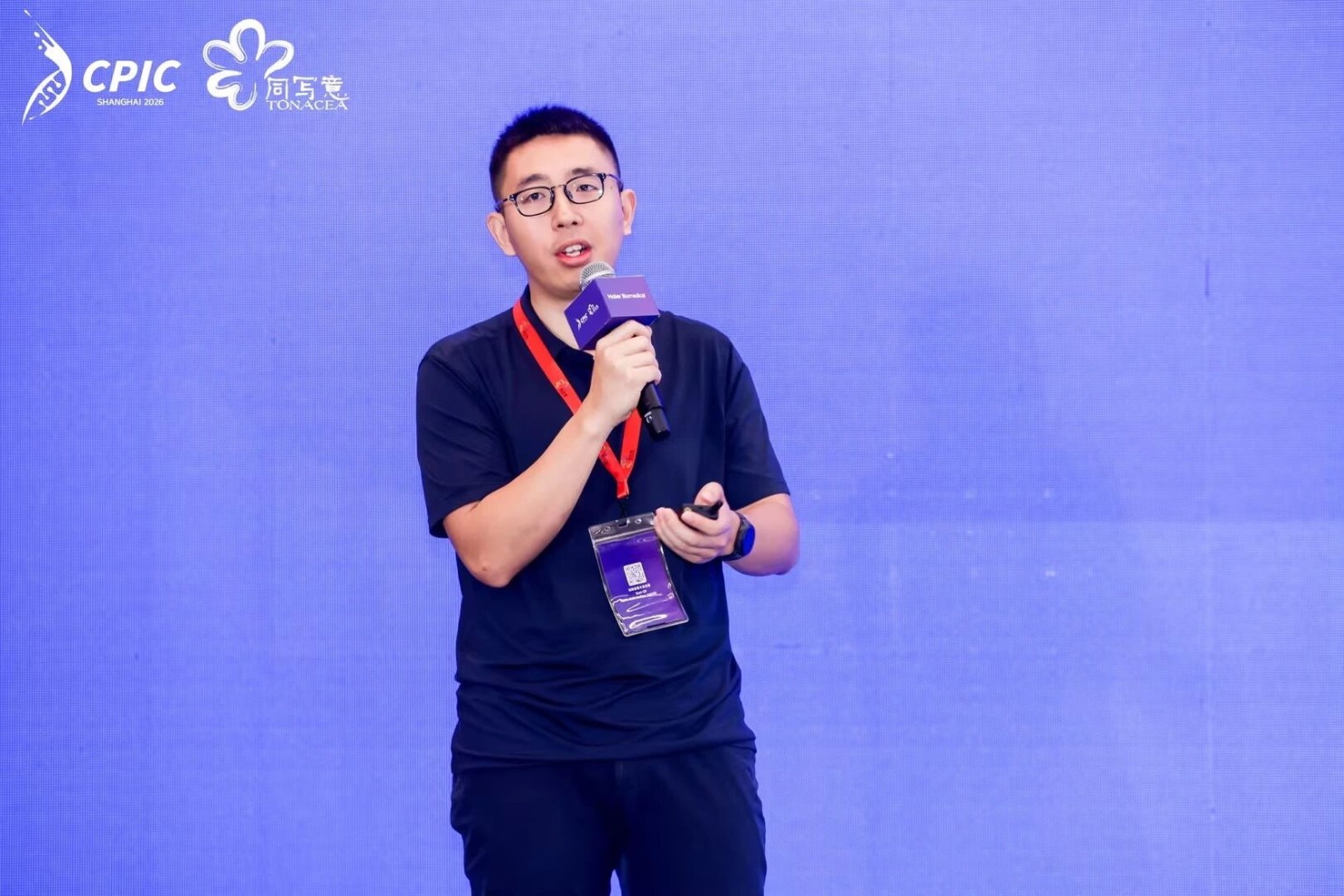
AI Drug Discovery Enters the Era of Asset Realization
At the conference, Jiaqi Lu, Director of Pharmaceutical Strategy and Business Development at DXY Insight Database , delivered a presentation titled “AI Drug Discovery Enters the Era of Asset Realization.”
Drawing on industry data from the DXY Insight Database and leading global case studies, Lu explored the longstanding challenges of conventional drug development and outlined how AI drug discovery is progressing from technological exploration toward clinical validation, commercial partnerships, and the creation of tangible pharmaceutical assets.
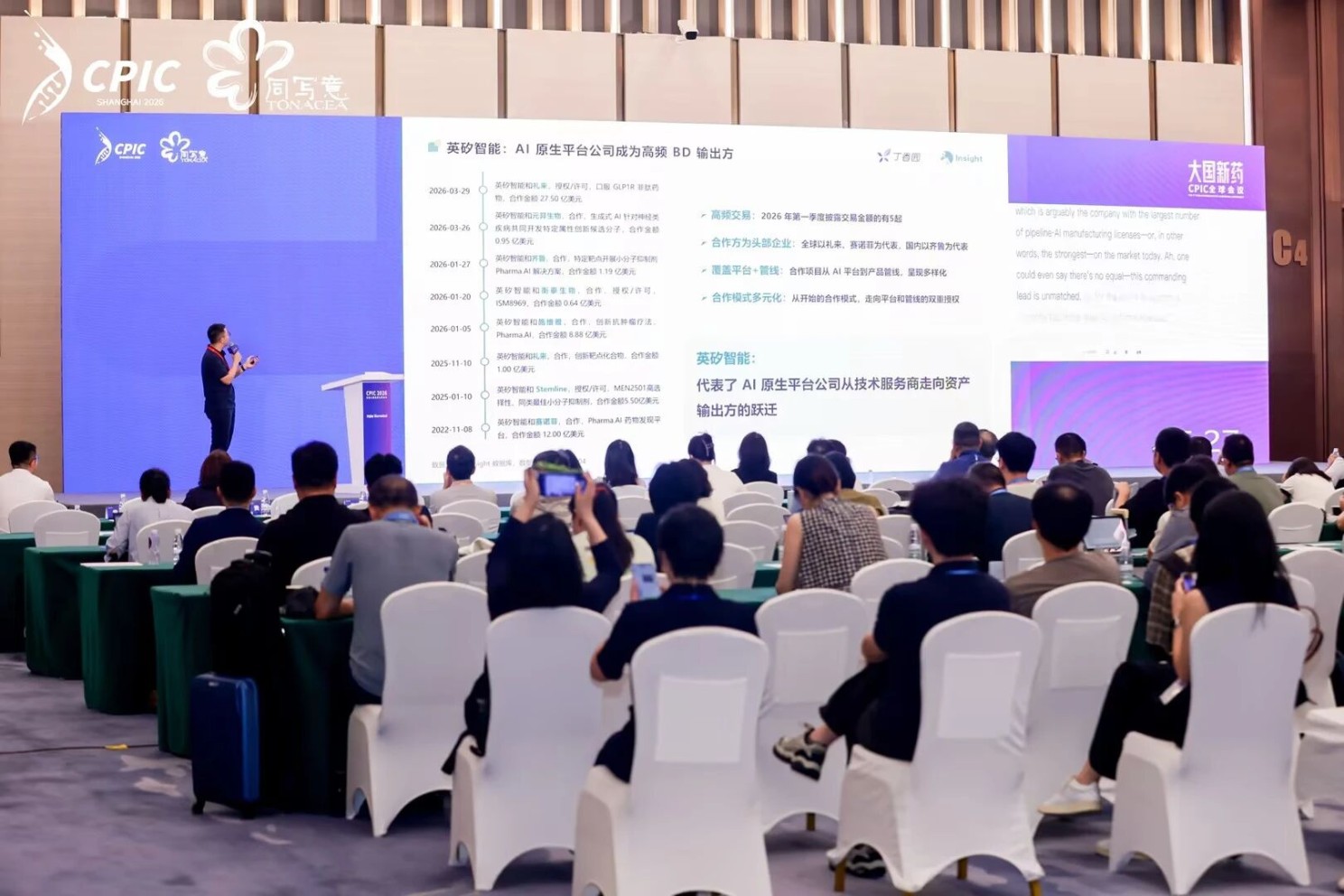
Lu noted that conventional drug development has long faced three major challenges: lengthy timelines, high costs, and low success rates. On average, of every 200 candidate molecules entering preclinical development, only around five progress to human clinical trials, and just one ultimately receives regulatory approval. The overall development process typically takes seven to ten years, with total costs exceeding US$1 billion.
These limitations of conventional R&D models, which rely heavily on human expertise and traditional experimental approaches, are creating clear opportunities for the practical application of AI across the pharmaceutical industry.
Supported by advances in both policy and technology, AI is increasingly being applied throughout the drug development lifecycle, including drug discovery, preclinical modeling, clinical trial optimization, and manufacturing process optimization. From early-stage target identification and candidate molecule generation to digital twin clinical trials and post-marketing surveillance, AI is evolving from a collection of individual tools into an important part of the infrastructure underpinning modern drug development.
Investment and BD Activity Shift Toward Verifiable Results
Drawing on data from the DXY Insight Database, Lu also highlighted changing investment, financing, and business development trends in AI drug discovery.
After progressing through periods of rapid growth, market correction, and more measured recovery, the industry’s investment landscape has evolved. Capital is shifting from early enthusiasm around AI algorithms toward companies with clinical-stage pipelines, consistent BD activity, and demonstrable commercial outcomes.
At the same time, the number of AI drug discovery licensing and partnership transactions continues to grow. Collaboration models are also becoming more sophisticated, moving beyond one-time licensing agreements to include co-development partnerships, option-based agreements, jointly established ventures, and other forms of deeper strategic collaboration.
According to Lu, AI drug discovery is now entering an era of asset realization. More than 170 proprietary AI-discovered drug programs worldwide have entered clinical development, with some advancing to Phase III trials. The central question for the industry has shifted from “Can AI generate molecules?” to “Can AI create clinically validated assets?”
AI-native platforms, traditional pharmaceutical companies, universities and research institutions, automated CROs, and other industry participants are accelerating collaboration. Competition is no longer centered solely on the capabilities of individual tools. It increasingly depends on integrated ecosystems that bring together data, models, experimentation, and clinical development.
Challenges and Long-Term Outlook
AI drug discovery must still overcome several important challenges, including limited access to high-quality biological data, insufficient model interpretability, the limited adoption of closed-loop computational and wet-lab workflows, and a shortage of multidisciplinary talent.
Nevertheless, as multimodal foundation models for the life sciences, automated experimental platforms, industry collaboration networks, and global regulatory frameworks continue to mature, confidence in the long-term development of AI-enabled drug discovery is steadily increasing.
Supporting Data-Driven Pharmaceutical Decision-Making
The DXY Insight Database booth also attracted significant interest from conference attendees.
The DXY Insight team held in-depth discussions with pharmaceutical industry professionals about practical applications such as monitoring global drug development trends, evaluating innovative drug programs, tracking clinical trial progress and BD transactions, and analyzing competitive landscapes. The team also demonstrated the database’s capabilities across pharmaceutical lifecycle data retrieval, industry research, market intelligence, and decision support.
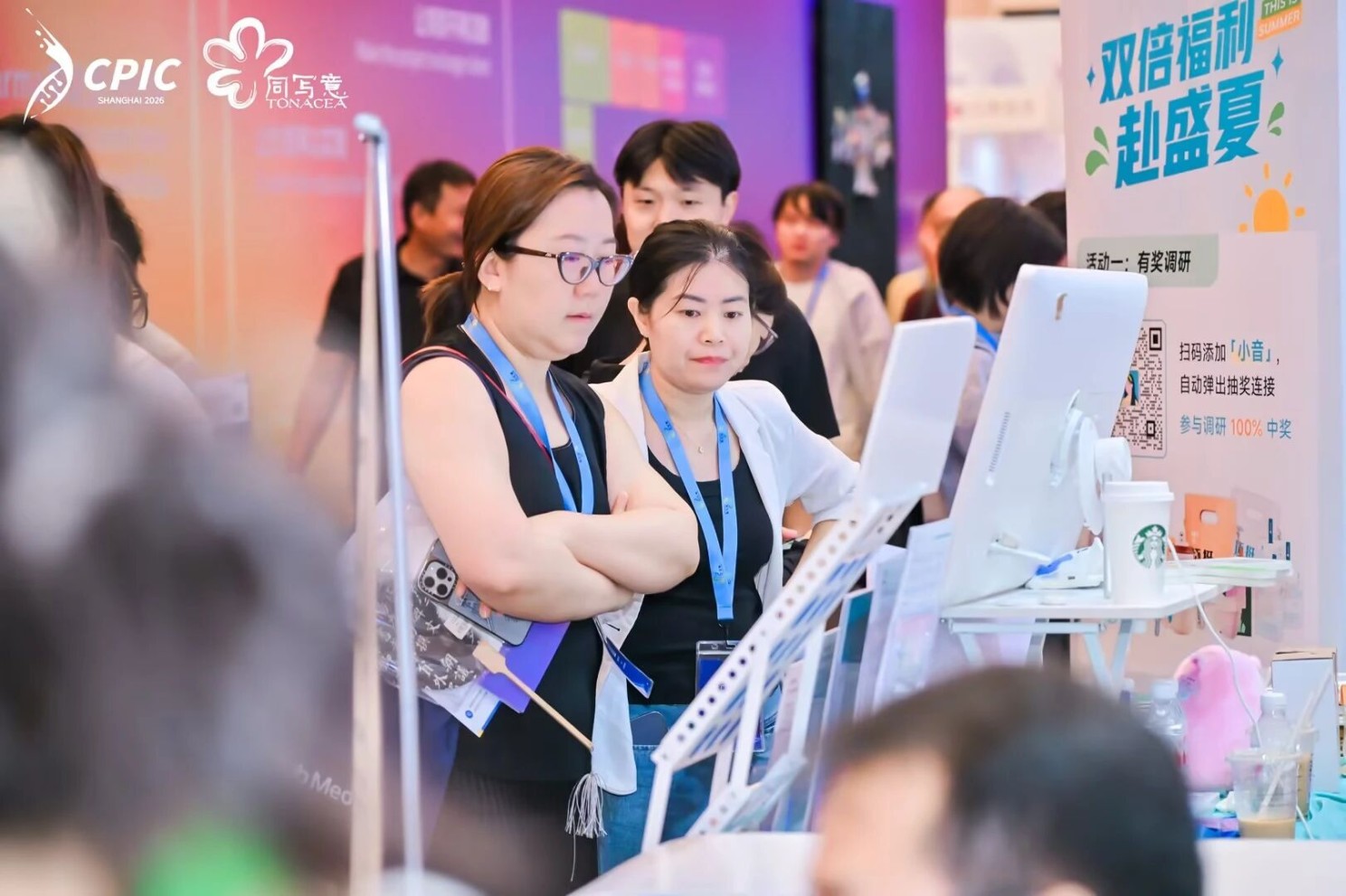
Through these on-site discussions, attendees gained a deeper understanding of the DXY Insight Database ’s extensive global data coverage, including drugs, targets, clinical trials, regulatory reviews and approvals, marketed products, and BD transactions. They also explored its integrated analytical capabilities for pharmaceutical R&D planning, business development, investment evaluation, and competitive intelligence.
DXY also showcased InnoPilot, its AI-powered drug intelligence and decision-support assistant. With the help of AI, InnoPilot can substantially reduce the time required for information gathering and analysis, from several days to a much shorter workflow, providing pharmaceutical companies with faster and more efficient support for R&D project evaluation, competitive landscape analysis, and strategic decision-making. Following its successful launch in China, InnoPilot is scheduled to become available to global users later this year, bringing AI-powered pharmaceutical intelligence and decision support capabilities to the international market.